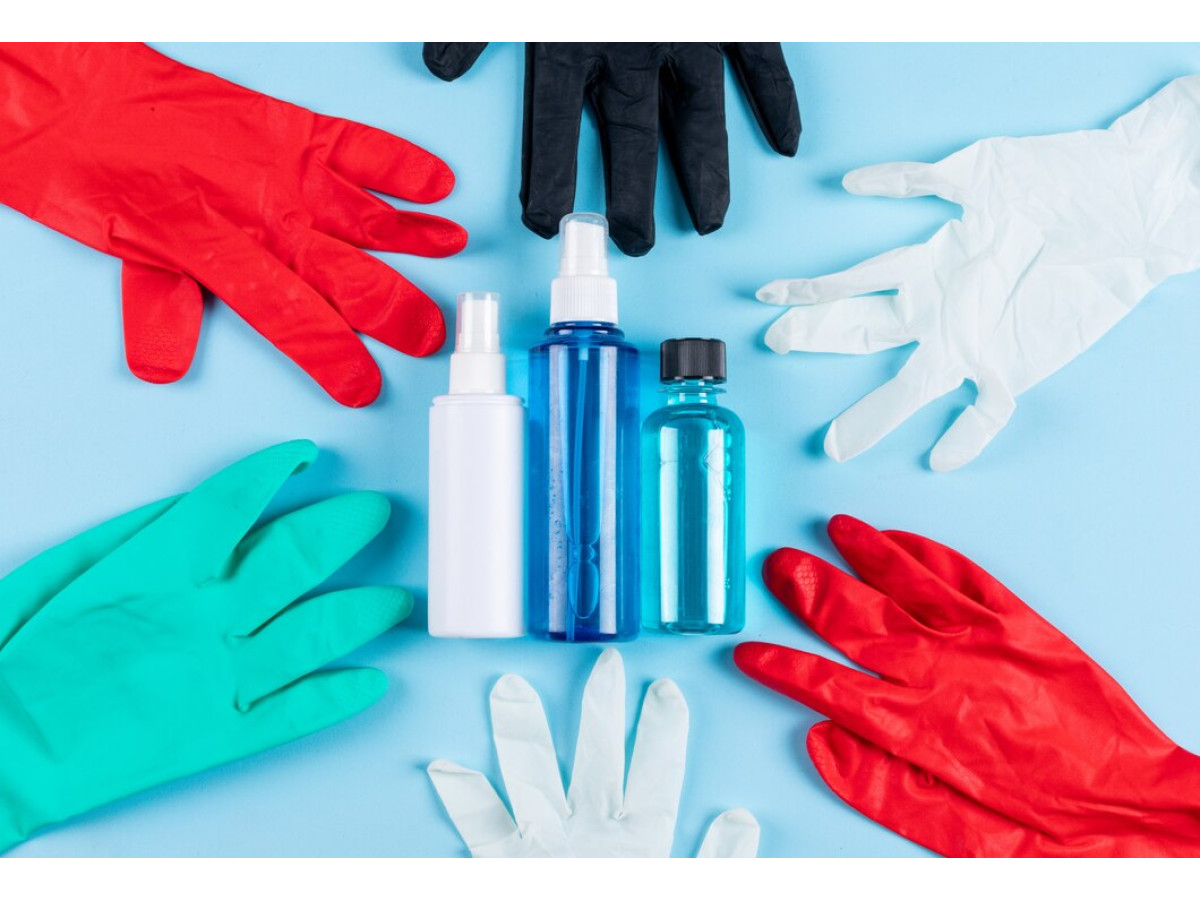

Working with chemicals is associated with an increased risk to health and requires strict adherence to safety measures. One of the key elements of personal protection is properly selected gloves that can prevent skin contact with hazardous substances and minimize possible negative consequences.
How to choose gloves for working with chemicals is a task that requires a careful approach. It is necessary to take into account the variety of chemical compounds that you will be working with, their concentration, as well as the operating conditions. Incorrectly selected gloves may not only fail to provide adequate protection, but also cause additional risks, such as allergic reactions or decreased tactile sensitivity, which is especially critical when performing precision operations.
Tog Trade, a company specializing in the supply of personal protective equipment, offers professional recommendations on choosing gloves for working with chemicals. In this article, we will take a detailed look at the basic requirements for protective gloves, methods for determining their level of protection, different types of chemical-resistant gloves, and provide advice on their selection and purchase on the togtrade.com website.
Basic requirements for protective gloves
Before deciding which chemical-resistant gloves to choose, you need to consider the following factors:
- Glove material: different materials provide different levels of protection against chemicals.
- Protection level: gloves must meet certain standards and be labeled accordingly.
- Comfort and ergonomics: gloves must be comfortable to wear for long periods of time and not restrict hand mobility.
How to determine the level of protection?
The level of protection of gloves is determined by their ability to resist penetration and destruction under the influence of chemicals. Pay attention to the following markings on the gloves:
- EN 374: European standard for gloves protecting against chemical risks.
- Letter marking: indicates resistance to certain chemicals. For example, "A" is methanol, "B" is acetone, etc.
Before using gloves, it is important to read the chemical resistance table to ensure their suitability for specific substances.
Types of Gloves for Working with Chemicals
There are different types of chemical protection gloves, differing in material and level of protection:
- Latex gloves: provide good elasticity and sensitivity, but may be unstable to some solvents and cause allergic reactions.
- Nitrile gloves: resistant to a wide range of chemicals, including oils and solvents, and are highly durable.
- PVC gloves: suitable for working with acids and alkalis, but may be less resistant to organic solvents.
Tips for choosing gloves from Tog Trade

To choose the right gloves for chemicals, it is recommended to:
- Determine the type of chemicals: know what substances you will be working with in order to choose the appropriate glove material.
- Check the markings: make sure the gloves are properly marked and meet the standards.
- Consider the working conditions: temperature, humidity, and duration of contact with chemicals can affect the choice of gloves.
- Check the size and comfort: the gloves should fit tightly on the hand, without restricting movement.
Recommendations for buying gloves for working with chemicals on the website togtrade.com
The online store togtrade.com offers a wide range of chemical-resistant gloves for various industries. We work with wholesale and retail customers. It is possible to apply a logo to workwear items. Residents of Ukraine, including such cities as Lviv, Kyiv, Kharkov, Odessa, Dnipro, Zaporozhye and Ternopil, can use the following recommendations when choosing gloves:
- Use search filters: the site has filters by material, industry of use and other parameters, which makes it easier to choose the right model.
- Read reviews: read reviews from otherч buyers to make an informed choice.
- Consult with managers: Tog Trade specialists are ready to help you choose the best gloves for your needs.
The right choice of gloves for working with chemicals ensures safety and comfort. Following the advice from Tog Trade and taking into account the specifics of your work, you can easily choose gloves for chemicals.
Write a comment