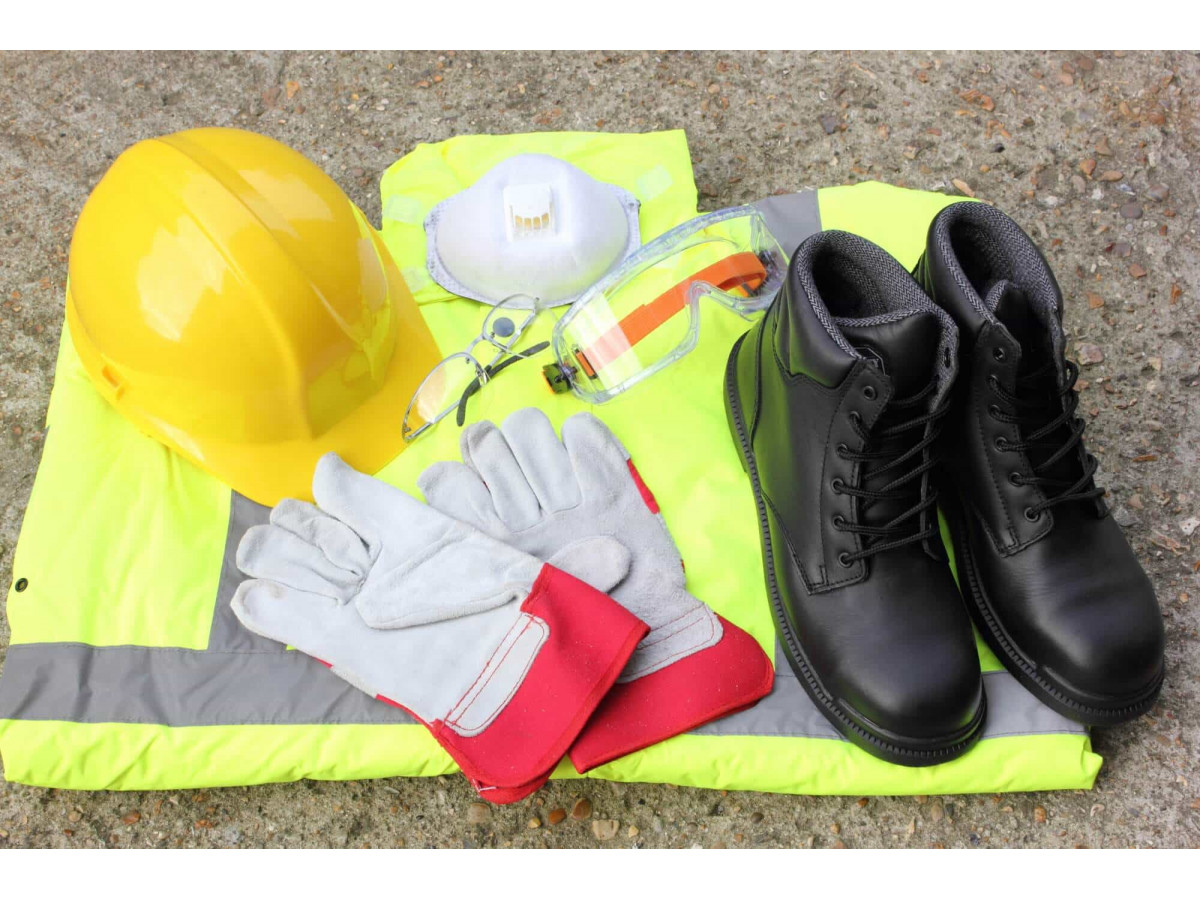
In the world of professional activities, where safety plays a key role, properly fitting workwear and footwear become an integral part of ensuring the comfort and protection of workers. Deciding on the right size is not only a matter of style but also, above all, of health and safety. Let's find out how to choose the right size of protective clothing and footwear so that every worker feels comfortable and protected.
Overalls sizes
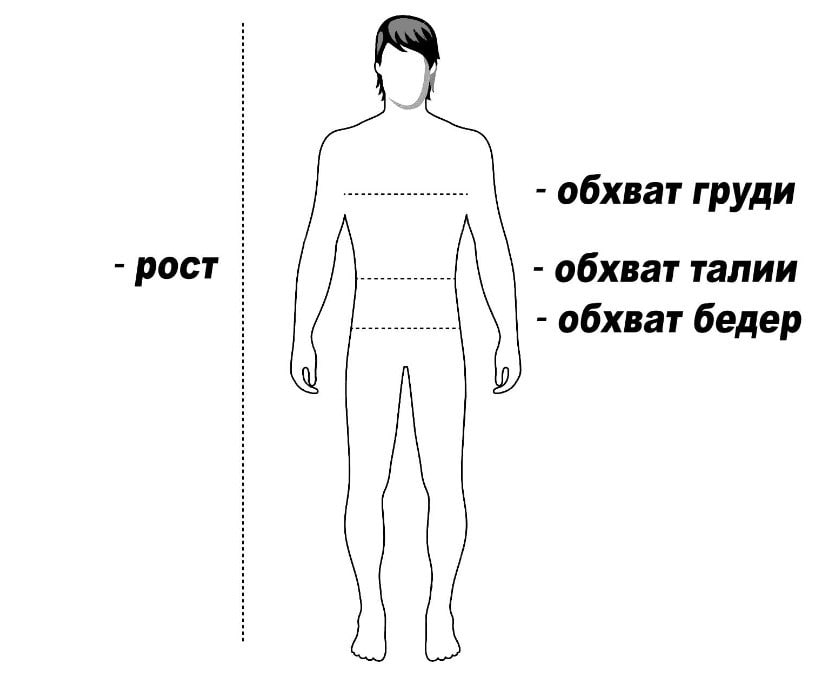 The first step to choosing the right workwear is to understand sizing. There is a standard size range, but it is important to consider each manufacturer's peculiarities. For example, the size of men's workwear may differ from women's, and the height range has its peculiarities.
But, in any case, the first step to determining your size is to get your measurements right.
How to take measurements:
- Chest circumference. This is the basic measure for sizing outerwear (jackets, overalls), sweaters, and sweatshirts. Place a centimeter midway between your shoulder blades, passing through your armpits and the most protruding part of your chest.
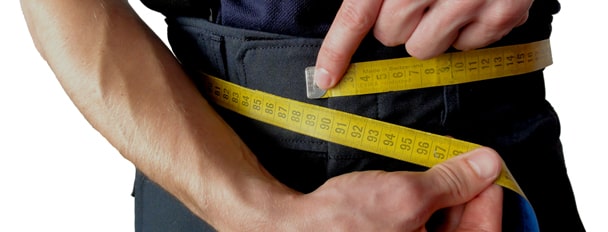
- Waist circumference. This is the second measure in determining clothing size. It is used to determine pant size. Loop the band around your waist to lie naturally and measure with a centimeter.
- Hip circumference. It is more commonly used to determine the size of women's clothing. Measure along the most convex part of the hips parallel to the floor, usually 18-23 cm below the waistline, depending on height.
- Height. Remove your shoes and stand with your back against a wall. Horizontally place a ruler on your head, rest one end of the ruler against the wall, and mark that spot. Then, measure the distance from the stroke to the floor.
It is recommended to take measurements on a naked body (underwear only) or over light clothing. The person should stand straight and in a natural posture.
Features of different types of workwear
Overalls are a variety of clothing designed to meet the specific requirements of different professions and industries. Each type has unique features, and the size range of overalls may differ. All this must be taken into account when choosing the right size.
Workwear for construction and industrial workers:
- Basic requirements: durability, protection against mechanical damage, comfort, and freedom of movement.
- Size features: standard sizes are often used, but cut features are considered to ensure comfort in the working environment.
Medical overalls:
- Basic requirements: hygiene, lightweight, well-ventilated, and comfortable to wear for long periods.
- Size specifics: standard sizes workwear is usually used, and attention is paid to comfortable cuts and ergonomics to maximize the comfort of medical personnel.
Winter overalls:
- Basic requirements: protection from cold, wind, and moisture, keeping warm during the colder months.
- Sizing features: layers of insulation are considered, which can affect the overall volume of the garment. Overalls are sized to allow additional layers to wear under winter clothing.
 Overalls for protection against chemicals:
- Basic requirements: full protection against chemical agents, tightness, and resistance to penetration of liquids.
- Size specifics: it is important to ensure a tight fit to the body, which requires careful size selection and appropriate cuts.
Overalls for electricians:
- Basic requirements: protection against electrical discharges and resistance to static ions.
- Size features: careful size selection is essential to ensure safe electrostatic charge distribution and comfort during work.
Overalls for welders:
- Basic requirements: protection against high temperatures, molten metal splashes, and sparks.
- Sizing features: freedom of movement and the ability to wear protective helmets and other accessories are considered.
When choosing workwear sizes, it is important to consider the standard sizes and the cut and safety requirements specific to a particular industry. This will ensure comfort and full protection in a professional environment.
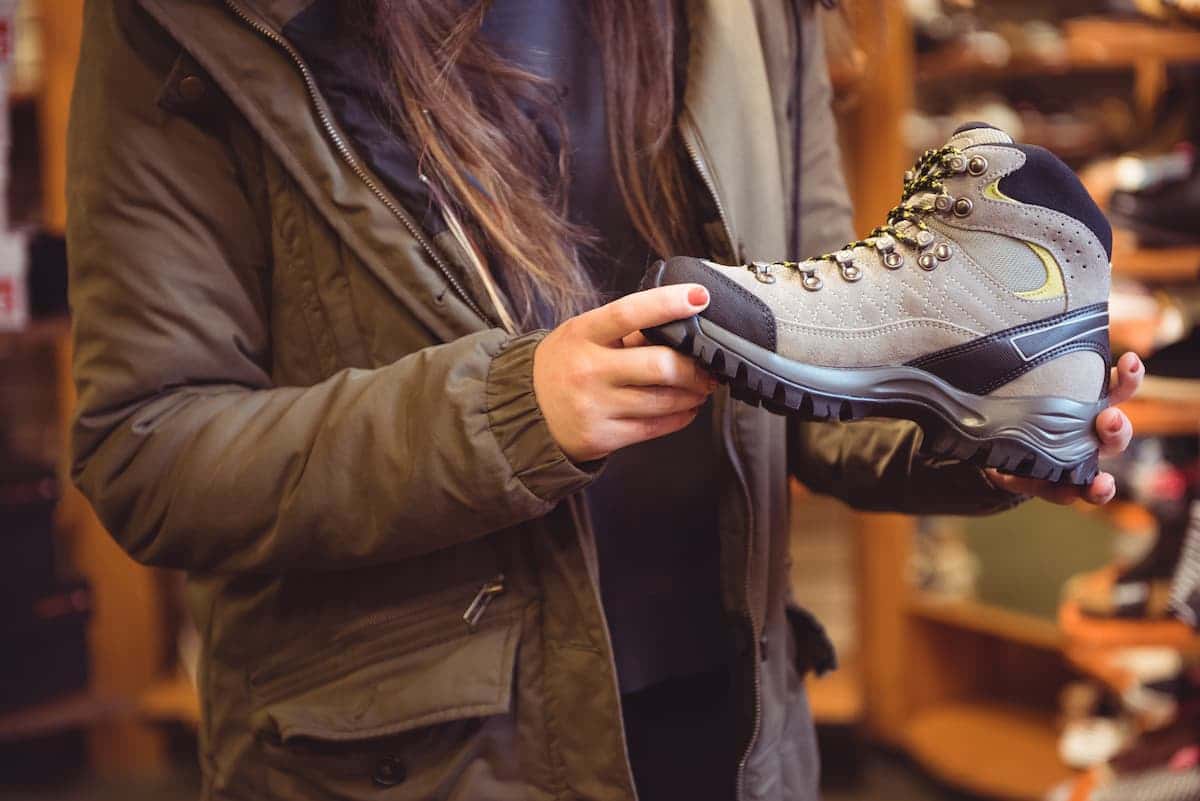 Special footwear sizes
Safety shoes play a key role in ensuring safety in the workplace. The size of safety shoes not only refers to the length of the foot but also considers the width of the foot. How to choose the size of safety shoes? It is important to choose the right model for your activity.
Recommendations for measuring shoe size:
- It is recommended that foot measurements be taken in the evening, as feet may swell towards the end of the day and may require a larger shoe.
- If you plan to wear shoes with wool socks, the measurements should be taken with them to avoid buying shoes a size smaller.
- Measurements should be taken for both feet, and it is recommended that the larger foot is chosen for the final result, as there may be slight differences in foot size between individuals.
Conclusion
Properly solving the problem of how to choose the size of workwear and footwear means ensuring your comfort, safety, and labor efficiency. Use standard sizes and manufacturer's tables, and consider the peculiarities of each type of workwear and footwear. Remember that the right size of overalls by height will protect you from external influences and create comfortable conditions for productive work. In the online store togtrade.com catalog, you will find a model of shoes and clothing that will meet the size and requirements.
Write a comment