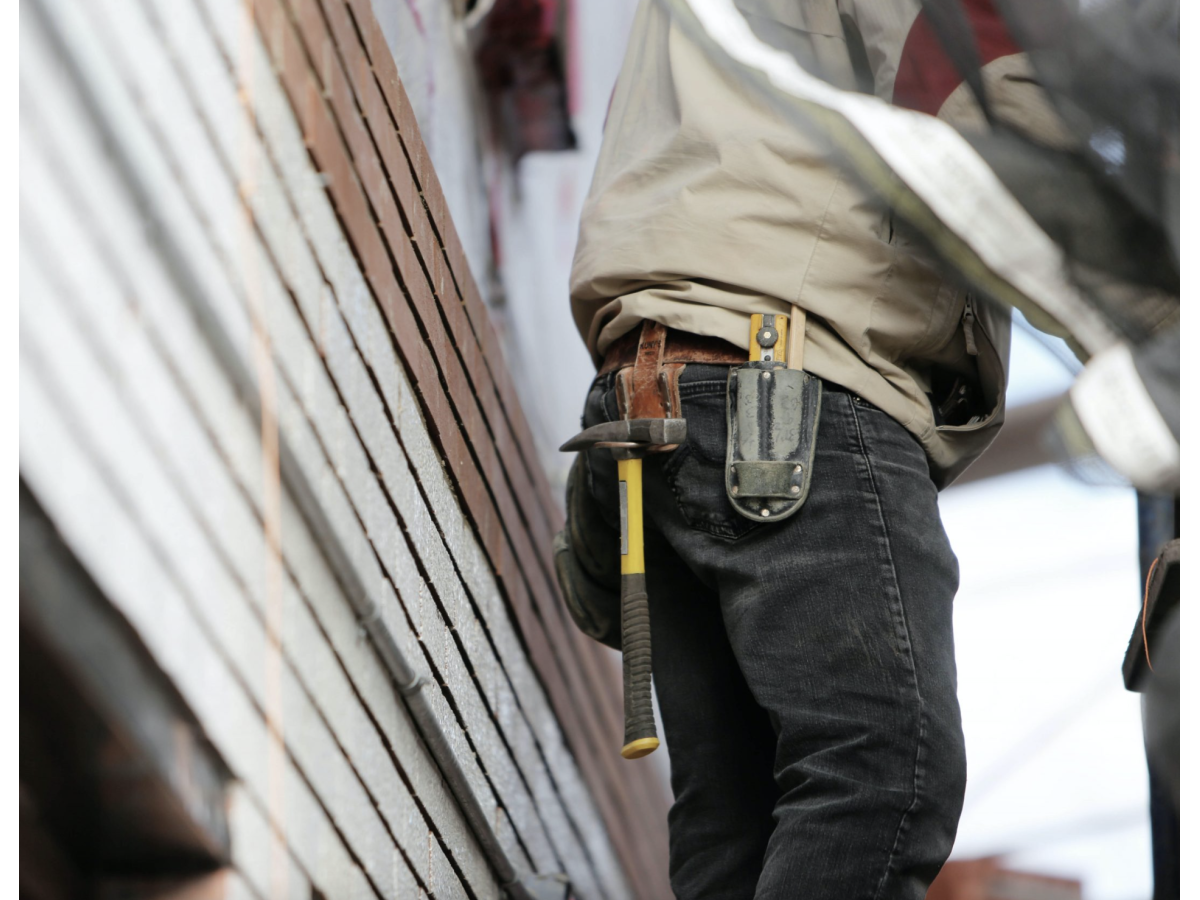
Workwear plays an important role in ensuring safety and efficiency of work. Incorrect or irregular renewal of workwear can lead to a decrease in its protective properties and an increase in risks to the health of employees. In this article, we will consider how to organize the replacement of workwear, an analysis of the company's needs and effective control methods.
The importance of workwear for safety and efficiency
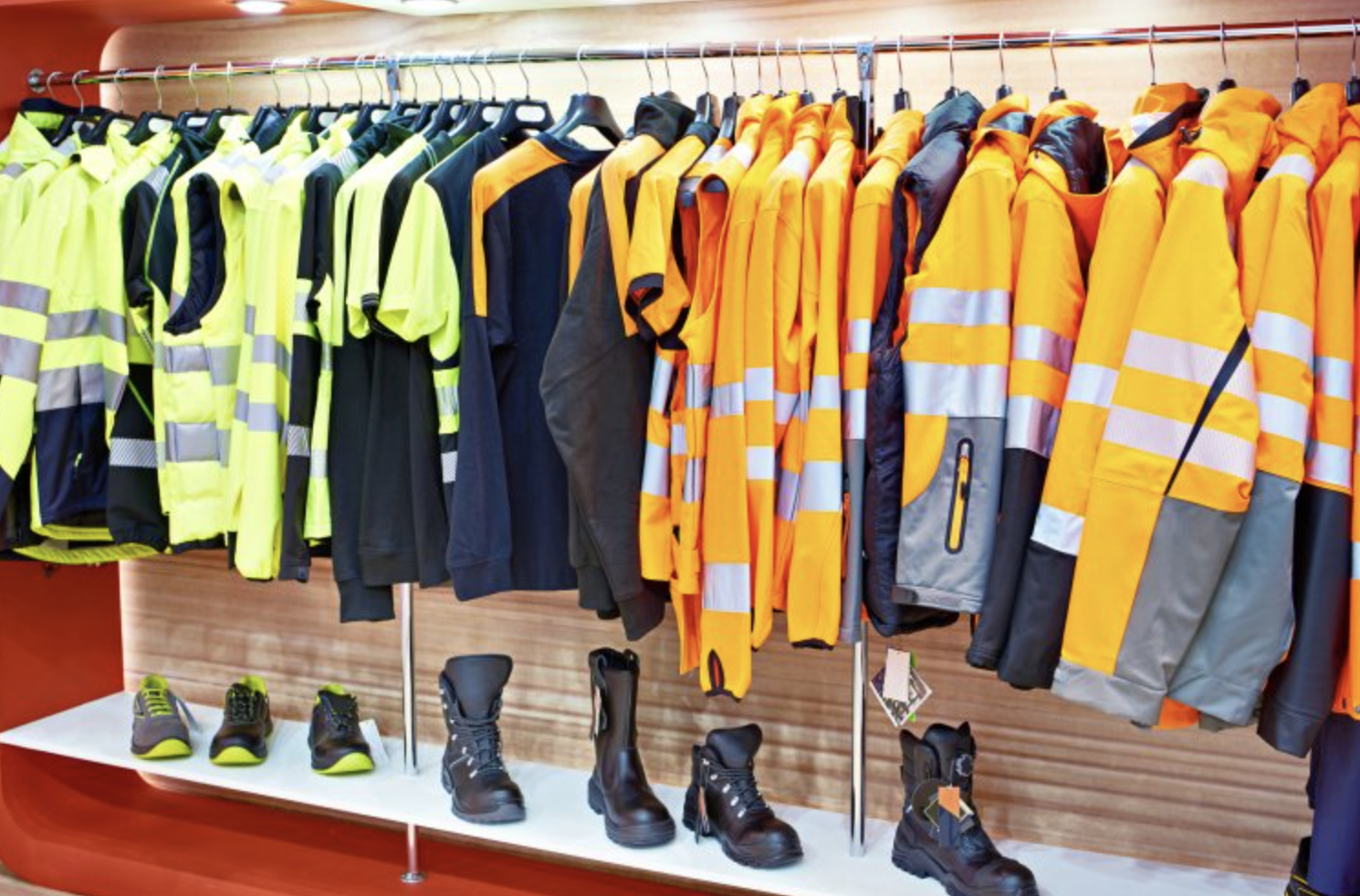 Workwear serves not only to comply with hygiene and comfort requirements, but also protects workers from harmful effects associated with their professional activities. Compliance with standards and regular replacement of workwear ensures:
- protection from injuries, burns and chemical exposure;
- maintaining hygiene in the workplace;
- increasing labor productivity due to convenience and functionality.
Problems of irregular replacement of workwear
Irregular replacement can have serious consequences for both the safety of workers and the overall efficiency of the enterprise. Let's consider each problem in more detail.
- Loss of protective properties. Over time and under the influence of external factors (wear, washing, chemicals), materials lose their protective properties. For example, water-repellent fabrics begin to let moisture through, fire-resistant coatings lose their resistance to high temperatures, and dense fabrics become less resistant to mechanical damage. This increases the risk of injury to employees.
- Non-compliance with standards. The service life of workwear is limited not only by wear and tear, but also by updating standard requirements. Irregular replacement leads to the fact that the clothes used may not comply with current safety standards, which creates a risk to the health of workers and may entail fines or claims from regulatory authorities.
- Violation of hygiene. Workwear, especially in conditions of high dust, humidity or chemical exposure, over time becomes a source of bacteria, fungi and allergens. This can lead to skin diseases, allergic reactions and other health problems. In addition, insufficient hygiene can negatively affect the company's reputation, especially if employees interact with clients.
- Increased risk of injury. Worn-out workwear can tear at the most inopportune moment, fail to protect against sharp objects or even cause injury. For example, a torn glove or worn out shoe sole can lead to cuts or falls. These situations are especially dangerous in high-risk manufacturing facilities.
- Reduced employee motivation. Employees who are forced to work in worn or uncomfortable clothing feel less valuable to the company. This can lead to decreased productivity, lower morale, and even increased turnover.
- Increased emergency replacement costs. Irregular replacement of workwear often leads to the need for unscheduled purchases, which can be significantly more expensive. An emergency purchase requires additional costs for urgent delivery, and the lack of spare workwear can stop the production process. How often is workwear changed? This depends on the field of activity and the rules prescribed at the enterprise.
Analysis of the company's needs
To effectively organize the replacement of workwear, it is important to analyze:
- Identify the types of workwear used in the company.
- Evaluate the service life of workwear, taking into account the intensity of work and the characteristics of the materials.
- Consider seasonal needs in order to replace winter or summer workwear in a timely manner.
- Make a list of spare workwear for emergency situations.
Develop a workwear replacement schedule
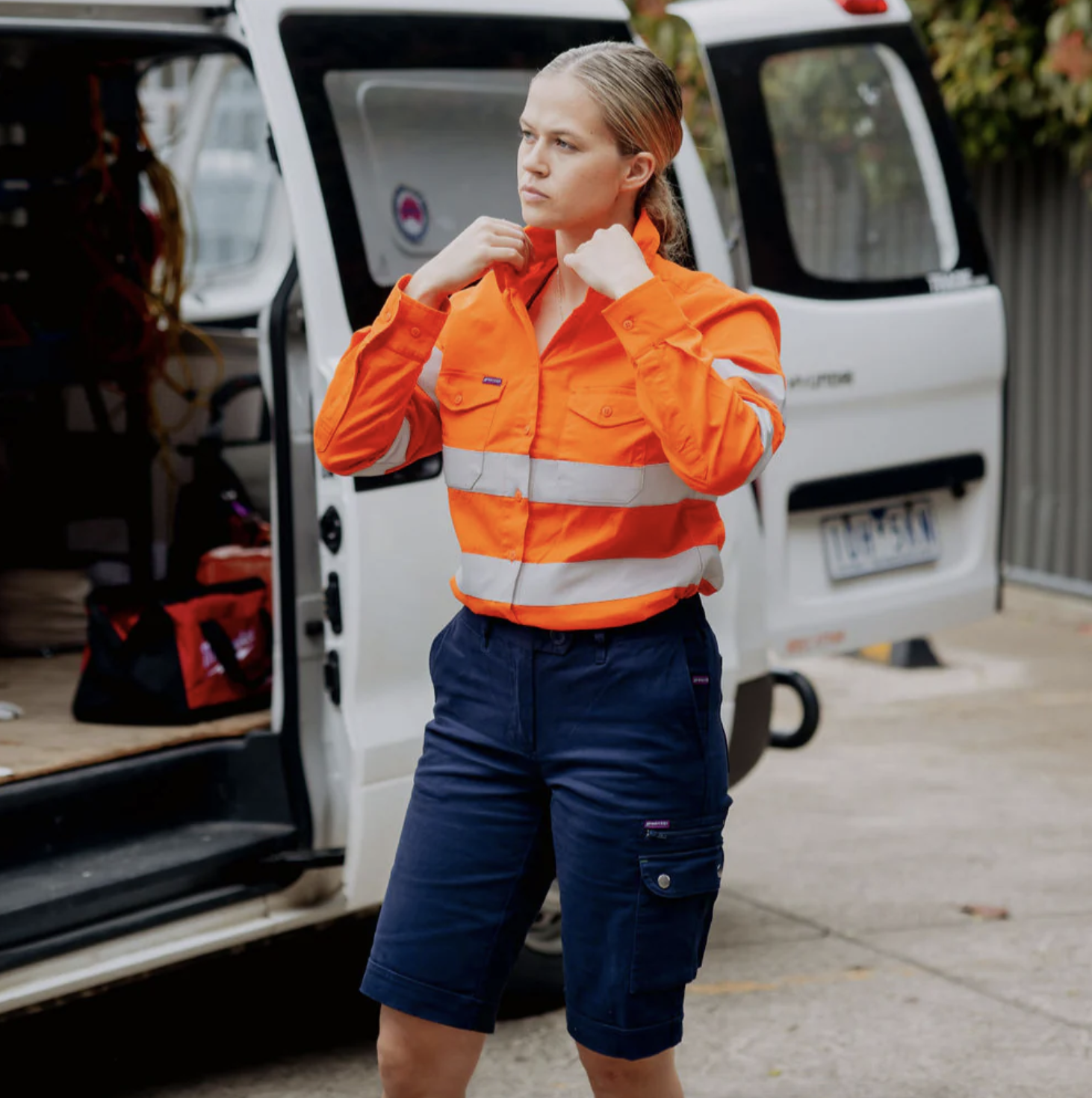 To maintain safety and efficiency, it is necessary to create a clear replacement plan. Here is an approximate algorithm:
- Determine the service life of workwear for each type of product.
- Agree on a schedule taking into account the intensity of use and wear of materials.
- Set priorities: for example, clothing for welders or high-risk workers requires more frequent replacement.
- Consult with suppliers to determine how often workwear is changed in similar conditions.
Organization of an accounting and control system
Accounting for workwear is a key element in preventing problems with its replacement. It is recommended:
- Implement an electronic accounting system that will record the date of issue and the service life of workwear.
- Assign a person responsible for monitoring the condition of clothing.
- Conduct regular checks for wear and tear of materials and loss of protective properties.
- Have a supply of workwear for emergency replacement.
Recommendations for purchasing workwear
For an effective replacement of workwear, it is important to choose high-quality products. The online store togtrade.com offers a wide range of workwear for various fields of activity. Key benefits:
- Compliance with standards. All products undergo strict quality control.
- Wide selection for workers of various professions: from builders to farmers.
- Possibility to order seasonal sets.
- Convenient delivery system and the ability to purchase spare workwear.
Regular replacement of workwear is not only compliance with legal requirements, but also a contribution to the safety and efficiency of the company. Follow the recommendations, implement an accounting system and cooperate with a reliable supplier "Tog Trade" to always be confident in the quality of workwear for your employees.
Write a comment