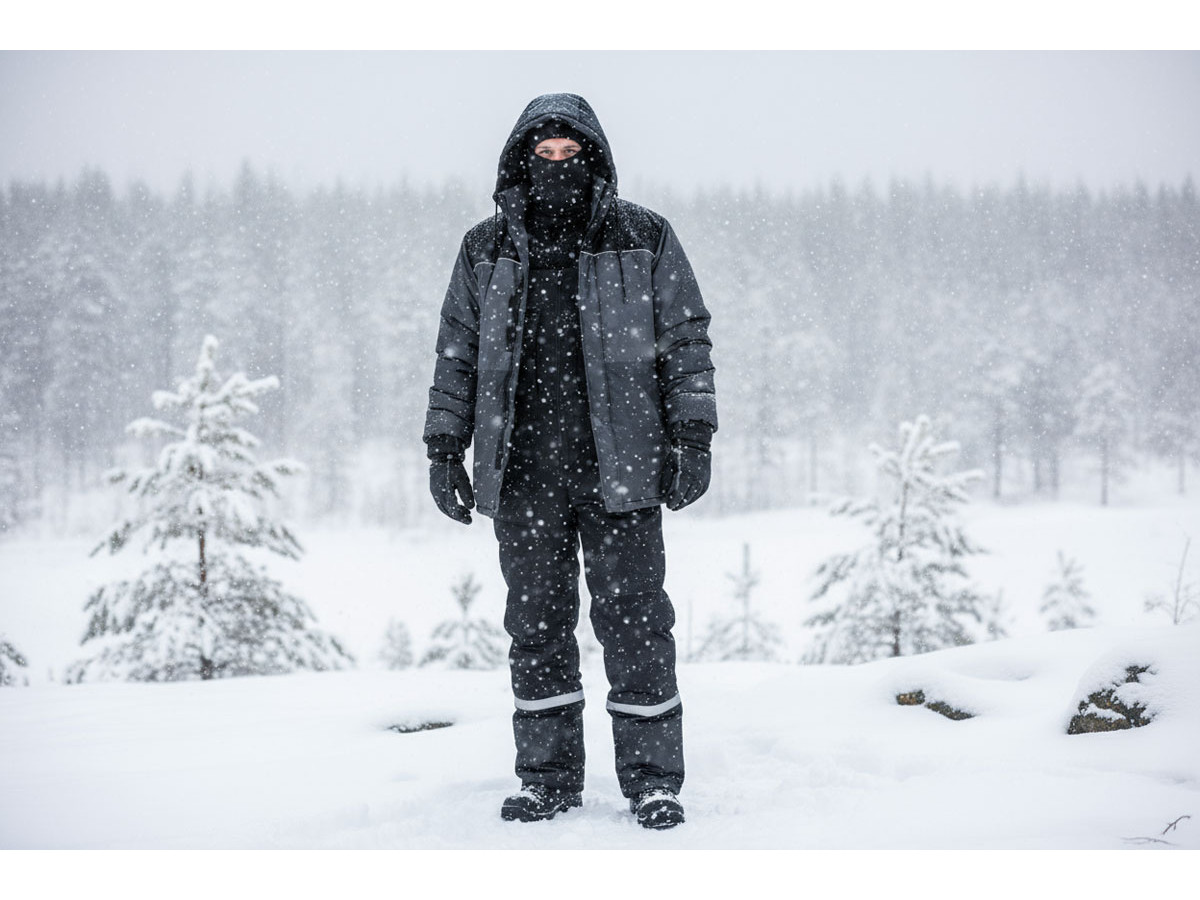
Working outdoors in winter requires not only endurance but also a smart approach to clothing selection. Frost, wind, high humidity, and mobility create unique conditions in which warmth, protection, and comfort are especially important. In this article, we'll discuss how to choose winter workwear for extreme cold, what to look for, and which materials, characteristics, and tips will help ensure safety and productivity at peak performance.
Assess the conditions: temperature, wind, moisture, activity
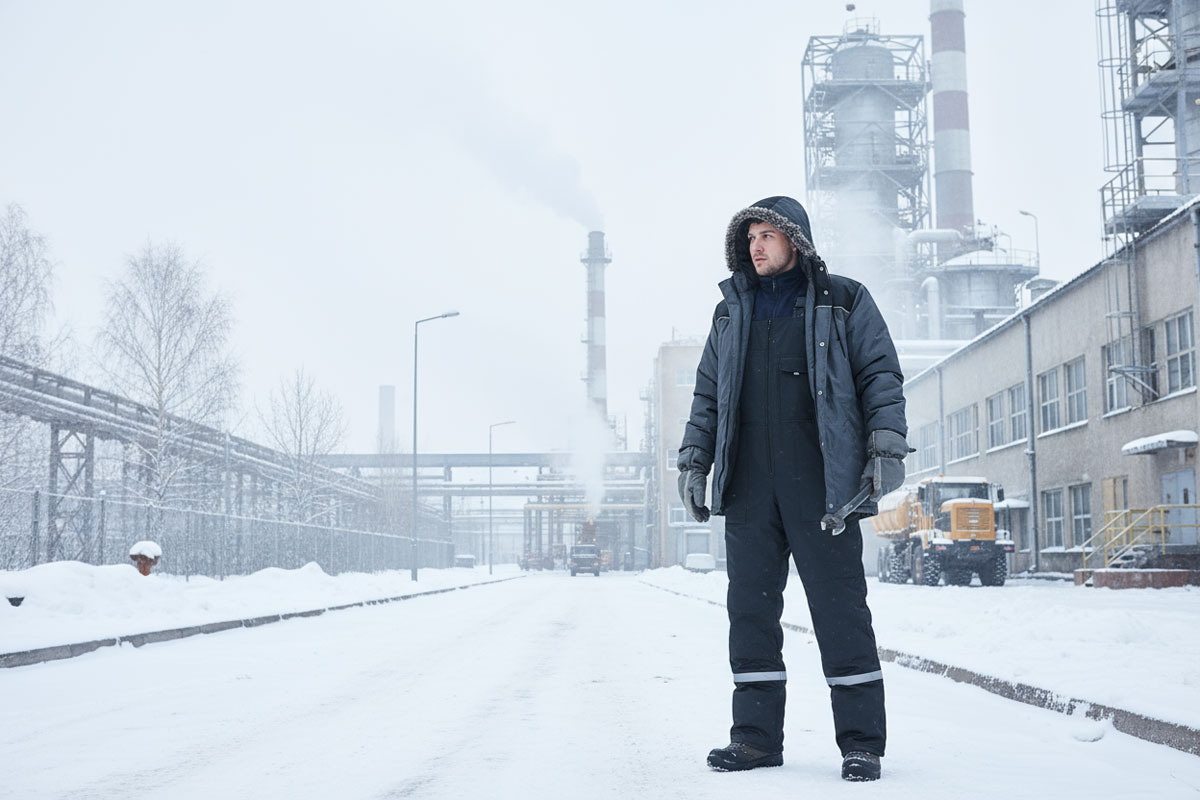
The first step is to understand the temperature range in which the suit will be used. For example, at -10°C and active work, one solution is required, while at -30°C and sedentary work, a completely different one.
- Temperature. Consider not only average values but also extreme ones.
- Wind. For strong gusts, windproof winter workwear with thick outer layers and a membrane is essential.
- Moisture. Rain, sleet, or working in high humidity conditions require high moisture resistance.
- Activity level. The more movement, the more important breathability and the ability to regulate heat.
Layers and materials: base, insulating, shell
Choosing the right layers is the key to warmth and comfort. It's important not just to wear warm clothes, but to ensure functionality and control of the microclimate.
- Base layer. This wicks moisture away from the body. The best options are thermal underwear made of synthetic or merino wool. It provides breathability and keeps you dry.
- Insulating layer. This can be fleece, synthetic insulation (e.g., Thinsulate, Hollofiber), or down. It's important to understand which workwear is warmer: synthetics wick away moisture better, while down is warmer but is susceptible to water.
- Shell layer. This is responsible for protecting against wind and moisture. Modern membrane materials (such as Gore-Tex or similar) combine moisture resistance, strength, and durability.
If you're looking for the best materials for winter workwear, it all depends on the balance between protection and comfort. It's important to consider the quality of seams, zippers, ventilation, and adjustments.
Cut and Ergonomics: Warmth Without Overheating or Stiffness
Winter workwear, the recommendations for which we provide, should be comfortable. Even the warmest clothing is ineffective if it restricts movement or causes chafing.
- Preference should be given to models with an anatomical cut.
- Reinforcements in high-wear areas (knees, elbows) increase durability.
- Adjustment elements (cuffs, drawstrings, ventilation flaps) allow you to adapt the clothing to the conditions.
High-quality workwear for extreme cold, the selection tips for which we discuss, should be lightweight yet warm – this reduces the risk of overheating during activity.
Protection from moisture and wind: the details that make all the difference
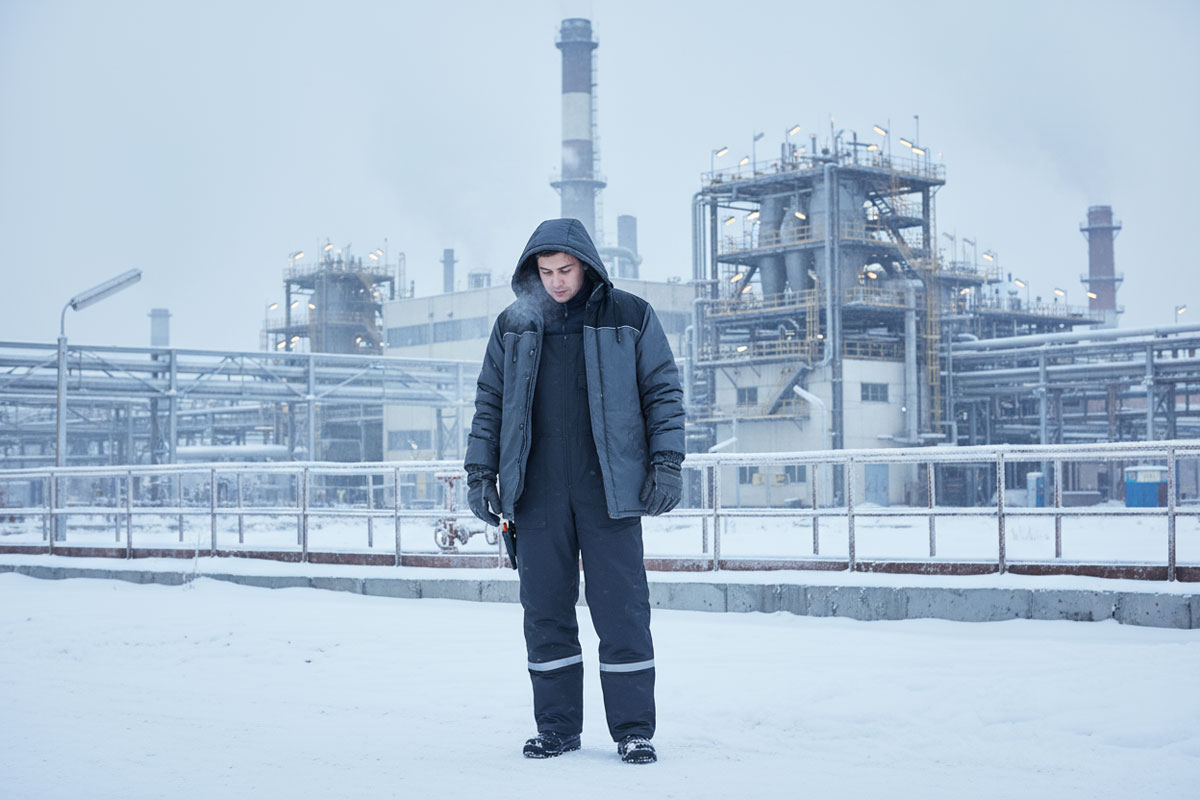
Every detail matters. Windproof winter workwear isn't just thick fabric. It also includes:
- A membrane that prevents wind from passing through.
- Sealed seams.
- Adjustable hoods.
- Windproof zippers.
- Jacket cuffs that prevent snow and wind from getting in.
All these details provide protection even in harsh conditions. This is especially important for those working at heights, in open spaces, or near water.
Footwear and accessories: warm feet, warm everyone
Warm workwear is often warmer outdoors, but the effect is lost if your feet are cold. Choose your footwear with equal care:
- Winter work boots with insulation, water resistance, and non-slip soles.
- Membrane materials will keep your feet dry.
- Insoles with foil or wool lining add warmth.
Accessories are essential:
- Insulated and water-resistant gloves.
- Balaclavas, fleece hats.
- Chest pads, bibs.
All items must meet quality standards, be comfortable, and not interfere with work.
Care, Lifespan, and Budget
Even the highest quality clothing requires care. Follow the label recommendations: gentle wash, hang dry away from heat sources. Handle items containing a membrane with particular care—avoid using harsh detergents.
When choosing winter workwear, it's always a compromise between price and functionality. But don't skimp on safety and durability. It's better to invest in a proven model from a reliable supplier.
Where to Buy High-Quality Winter Workwear
When choosing high-quality and reliable equipment, consider specialty stores. For example, the online store togtrade.com offers a wide range of winter workwear (jackets, trousers, overalls, shoes, etc.) certified to international standards. Here you'll find solutions for various temperature conditions, taking into account durability, comfort, safety, and individual needs.
Conclusion
Understanding the working conditions, carefully selecting layers, and considering materials and design features—all of this helps you understand how to choose the right winter workwear. Reliable clothing doesn't just mean warmth; it ensures health, safety, and productivity.
Follow the tips above, study the specifications, compare models, and rely on trusted sources like togtrade.com. And remember: properly selected winter gear is the key to comfortable and safe work, even in the most severe frosts.


Write a comment