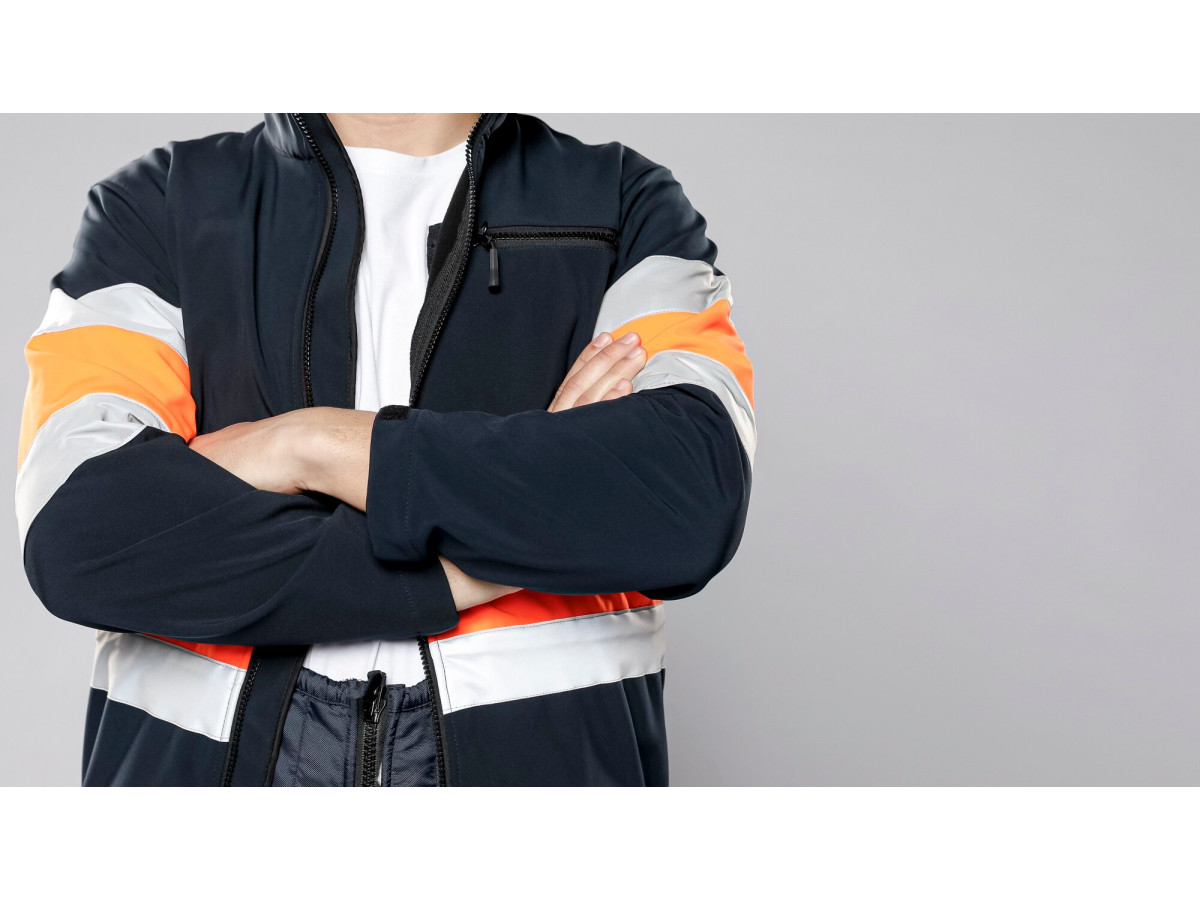
Quality workwear is not just a uniform element, but full-fledged personal protective equipment that ensures the safety of workers in production. Therefore, workwear certification is a mandatory procedure that regulates the requirements for product quality in Ukraine and in the world. Let's take a closer look at why certification is needed, what standards are in force and how to obtain a certificate of conformity for workwear.
Why is workwear certification needed?
Workwear certification is a guarantee that the uniform meets labor protection requirements and is able to effectively protect employees from industrial risks. The main goals of certification:
- ensuring worker safety;
- compliance with labor protection legislation;
- minimization of injuries at work;
- improving the employer's reputation.
Having a certified uniform is also mandatory for passing inspections by government agencies and for participating in tenders.
What standards should workwear?
In Ukraine, there are national standards - DSTU for workwear, as well as international standards such as ISO and GOSTs. Here are the main standards that quality products must include:
- DSTU EN 340 — general requirements for workwear (sizes, ergonomics, material safety).
- DSTU EN ISO 20471 — standards for high-visibility clothing.
- DSTU EN 343 — protection from rain.
- DSTU EN 381 — protection against chainsaw cuts.
- GOST 12.4.280-2014 — protection against general industrial pollution.
- ISO 11612 — protection against heat and flame.
Each type of workwear, be it a summer uniform, suits for welders or medical gowns, must meet its own specific safety requirements.
What is included in workwear certification?
The certification process includes several stages, each of which confirms the compliance of the products with workwear safety standards:
- Material testing: workwear quality requirements, testing fabrics for strength, moisture resistance, fire resistance, chemical resistance.
- Tailoring assessment: correctness of cut, reliability of seams, ergonomics.
- Checking fittings: zippers, buttons, reflective elements for quality and reliability.
- Evaluation of protective properties: testing for resistance to mechanical damage, extreme temperatures and other production factors.
It is also important to check personal protective equipment that is integrated into workwear - for example, built-in knee pads or protective inserts.
Workwear and safety certification standards
All workwear and safety certification standards are based on several key principles:
- Protection from harmful factors: chemistry, thermal risks, mechanical damage.
- Wearing comfort: breathability, lightness, convenience of shape.
- Durability: fabric resistance to wear and repeated washing.
- Size compliance: correct fit of workwear according to standard measurements.
- Informing the worker: availability of markings on care methods and protective characteristics.
Violation of at least one of these requirements may result in the product being rejected from certification.
Certificate of conformity for workwear: how to obtain it?

The procedure for obtaining a certificate of conformity for workwear includes several mandatory steps:
- Submitting an application to an accredited certification body.
- Providing samples of workwear for laboratory testing.
- Passing tests in accredited laboratories for compliance with DSTU, ISO and GOSTs.
- Production audit (in some cases): checking the enterprise's quality management system.
- Issue of a certificate of conformity confirming that the products meet labor protection requirements and safety standards for workwear.
Forms of workwear certification
Certification can be:
- Mandatory - for workwear associated with high health risks (for example, fireproof suits).
- Voluntary - for products not included in the mandatory lists, but the certification of which increases the trust of customers and partners.
It is important to remember: even voluntary certification has a positive effect on the company's image and is an advantage in the competitive struggle.
Conclusion
Workwear certification is not a formality, but a critical step in ensuring workplace safety. Workwear must comply with current DSTU, ISO and GOST standards, undergo strict testing and receive certificates of conformity. This is the only way to guarantee reliable protection for workers in any field - from construction to medicine.
If you want to purchase high-quality certified workwear for your employees in cities such as Ukraine, Lviv, Kyiv, Kharkov, Odessa, Dnipro, Zaporozhye and Ternopil, we recommend that you pay attention to the products of our company "Tog Trade". Here you will find a wide range of workwear and footwear that meet the most stringent labor protection requirements and safety standards.
Write a comment